Modi, Trump discuss ties and Ukraine in birthday call
PM Modi and Donald Trump talk about bilateral ties and Ukraine on birthday call
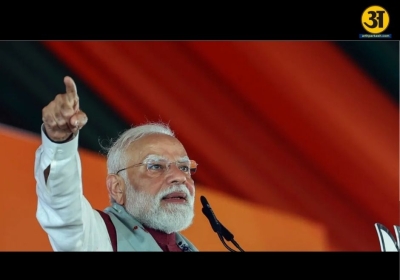
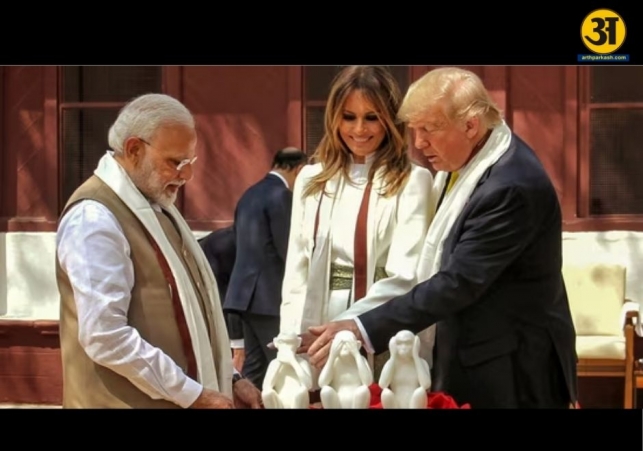
Prime Minister Narendra Modi and US President Donald Trump held a phone call on Tuesday, where they discussed bilateral ties, trade negotiations, and the ongoing war in Ukraine. The call came just after a meeting between trade negotiators of both countries in New Delhi, where officials described the talks as “positive.”
The conversation between the two leaders was their first in nearly three months. Their last phone call in June was followed by rising tensions, especially after the US imposed heavy tariffs on Indian goods and criticised India’s purchases of Russian oil. However, Tuesday’s exchange, held on Modi’s 75th birthday, suggested a fresh effort to improve ties.
A warm exchange on birthday call
In his post on social media, Modi thanked Trump for the call and the greetings. “Thank you, my friend, President Trump, for your phone call and warm greetings on my 75th birthday,” he wrote. Modi added that both leaders are committed to taking the India-US Comprehensive and Global Partnership to new heights. He also expressed support for Trump’s initiatives towards a peaceful resolution of the Ukraine conflict.
Trump also shared details of the conversation on social media. He described it as a “wonderful phone call” with his “friend, Prime Minister Narendra Modi.” Trump added that Modi was doing a tremendous job and thanked him for his support in ending the war between Russia and Ukraine.
The timing of the phone call was significant, as it followed a meeting between the US Trade Representative’s team, led by chief negotiator Brendan Lynch, and India’s Commerce Department officials, led by chief negotiator Rajesh Agrawal. Both sides described the trade talks as positive and forward-looking.
The Indian statement said that the two countries acknowledged the “enduring importance of bilateral trade” and decided to intensify efforts for an early conclusion of a “mutually beneficial trade agreement.” A spokesperson for the US embassy also confirmed that Lynch and Agrawal had a positive meeting to discuss the next steps in negotiations.
Trade tensions and path to resolution
Relations between India and the US had faced strain in recent months. After their last conversation in June, Trump imposed 50% tariffs on Indian goods, including an additional 25% levy linked to India’s energy purchases from Russia. The US had also criticised India for buying Russian oil, saying such purchases supported Moscow’s war effort in Ukraine.
India, however, has consistently said that dialogue and diplomacy are the only ways forward to resolve the Ukraine crisis. Prime Minister Modi has also spoken directly to Russian President Vladimir Putin and Ukrainian President Volodymyr Zelensky about ending hostilities.
The tariff dispute and repeated criticism from US officials, particularly White House trade advisor Peter Navarro, had created tension in the relationship. Navarro has claimed that India’s tariffs hurt American jobs and accused India of “profiteering” by buying Russian oil. He also said India “must come around” in trade negotiations rather than aligning with Russia and China.
Despite these challenges, recent exchanges between Modi and Trump on social media suggested a thaw. On September 10, Modi responded positively to Trump’s remark that trade negotiations would not be difficult. Modi said that Indian and US teams were working to conclude discussions on a trade deal that would unlock the “limitless potential” of the bilateral partnership. He described India and the US as “close friends and natural partners.”
The current meeting between negotiators in New Delhi could pave the way for the sixth round of formal talks on the bilateral trade agreement. Reports indicated that both sides want to speed up discussions to reach an agreement that benefits both economies.
A relationship of ups and downs
Tuesday’s call stood in contrast to the frequent criticism India faced earlier from Trump’s administration. The birthday greetings, warm words, and support for each other’s positions showed that both leaders are willing to ease tensions.
It also reflected the recognition on both sides that the India-US relationship holds global importance. For the US, India is a key partner in Asia, balancing China’s growing influence. For India, stronger trade and defence ties with the US can provide long-term strategic benefits.
The conversation also reaffirmed India’s firm stand on international mediation. Modi has consistently made it clear that India will not accept third-party mediation in disputes, including those with Pakistan. During their last call in June, Modi had told Trump that India and Pakistan managed their ceasefire directly through military channels, and no mediation was involved.
ALSO READ: Plant-based diet linked to lower risk of heart attack and cancer
For now, the renewed warmth between the two leaders, backed by progress in trade talks, signals a more constructive phase in ties. Both countries are aware of the difficulties, but they also recognise that cooperation offers far greater benefits than confrontation.
The next few months will show whether these talks can translate into a concrete trade agreement and whether India and the US can align better on global issues such as the Ukraine war.
For Modi and Trump, the phone call was not just about birthday greetings. It was also about sending a message that despite past disagreements, both leaders want to rebuild trust and move their partnership forward.
Related News